The Enchanting Allure of Knitted Christmas Angels: A Comprehensive Guide to Free Patterns
Related Articles: The Enchanting Allure of Knitted Christmas Angels: A Comprehensive Guide to Free Patterns
Introduction
With great pleasure, we will explore the intriguing topic related to The Enchanting Allure of Knitted Christmas Angels: A Comprehensive Guide to Free Patterns. Let’s weave interesting information and offer fresh perspectives to the readers.
Table of Content
The Enchanting Allure of Knitted Christmas Angels: A Comprehensive Guide to Free Patterns
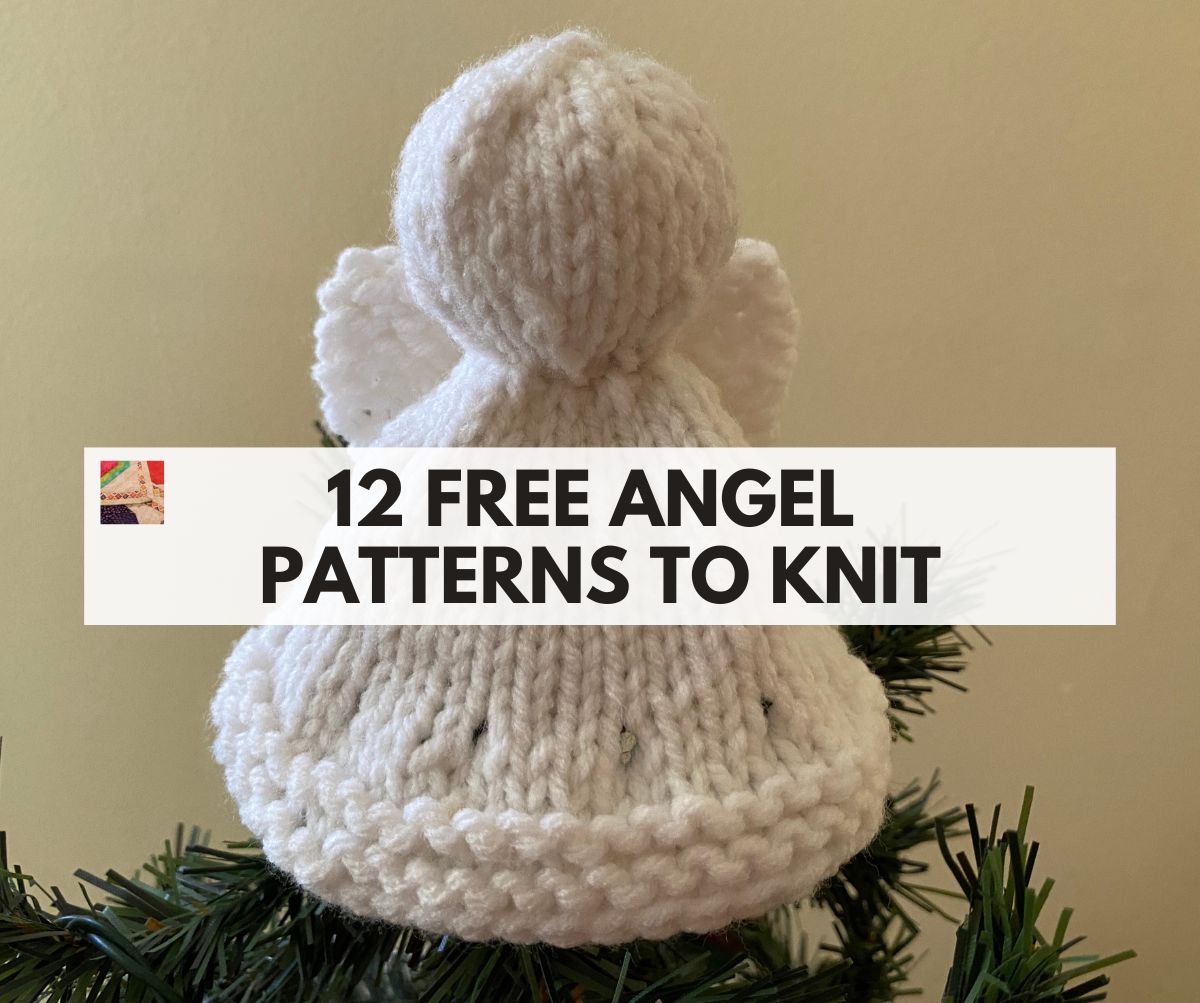
The Christmas season, a time of joyous celebration and cherished traditions, is often adorned with festive decorations. Among these beloved ornaments, knitted angels hold a special place, their delicate beauty and symbolic significance adding a touch of warmth and wonder to holiday displays. The allure of these handcrafted creations lies not only in their aesthetic appeal but also in the heartfelt effort that goes into their creation. This article delves into the world of knitted Christmas angels, exploring the diverse range of free patterns available, the techniques involved, and the enduring appeal of this cherished craft.
A Tapestry of Patterns: Exploring the Diversity of Knitted Angel Designs
The world of free knitted angel patterns is as diverse as the imagination itself, offering a myriad of styles to suit every taste and skill level. From simple, beginner-friendly designs to intricate, detailed creations, there is a pattern waiting to be discovered for every knitter.
1. Classic Knitted Angels:
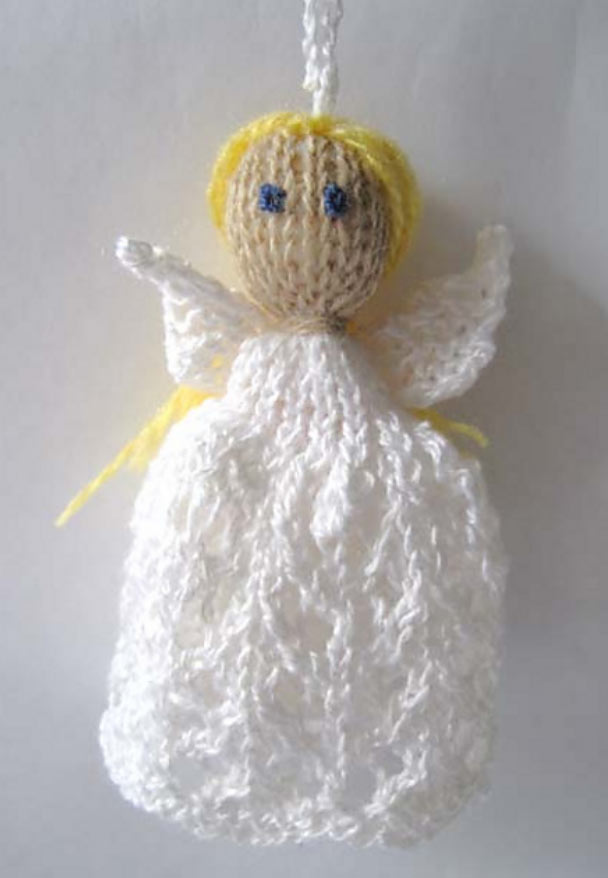
These designs embody the traditional image of a Christmas angel, often featuring a flowing white gown, delicate wings, and a halo. They can be crafted in a variety of sizes, from miniature ornaments to life-sized figures, and can be personalized with unique details like embroidered faces, beaded accents, or intricate lacework.
2. Scandinavian Inspired Angels:
Characterized by their minimalist aesthetic and charming simplicity, Scandinavian angel patterns often feature a simple, round body with a small head and delicate wings. These designs are perfect for beginners and can be adorned with traditional Nordic motifs like snowflakes or stars.
3. Vintage Knitted Angels:
These patterns evoke a sense of nostalgia, drawing inspiration from antique angel figurines and Christmas ornaments. They often feature intricate details like crocheted lace, beads, and vintage-inspired colors.
4. Modern Knitted Angels:
For those seeking a contemporary twist on the traditional angel design, modern patterns offer bold colors, geometric shapes, and innovative techniques. They can be crafted in a variety of materials, from wool and cotton to acrylic and even recycled fibers.
5. Characterful Knitted Angels:
Beyond the traditional angel design, there are countless patterns that bring a touch of whimsy and personality to these creations. From adorable, cartoon-like angels to whimsical, fairy-inspired figures, these designs are sure to delight children and adults alike.
Unraveling the Techniques: A Guide to Knitting Christmas Angels
While the specific techniques employed in knitting an angel may vary depending on the chosen pattern, there are some fundamental skills that are essential for creating these beautiful ornaments.
1. Knitting Basics:
Understanding the basic knit and purl stitches is essential for any knitting project, including knitting angels. Mastering these techniques allows for the creation of various textures and patterns, from simple, smooth fabrics to intricate lacework.
2. Shaping Techniques:
Knitting angels often involve shaping techniques such as decreasing and increasing stitches to create the desired form. Understanding these techniques is crucial for creating the flowing gown, delicate wings, and distinct features of an angel.
3. Colorwork:
Many angel patterns incorporate colorwork, adding depth and visual interest to the design. Techniques like fair isle knitting or intarsia can be used to create intricate patterns and details.
4. Finishing Touches:
Once the knitting is complete, finishing touches such as sewing on wings, adding a halo, and embellishing with beads or embroidery can elevate the angel to a truly special ornament.
Beyond the Pattern: Personalizing Your Knitted Angels
The beauty of knitted angels lies not only in the patterns themselves but also in the opportunity for personalization. Knitters can express their creativity by choosing unique colors, embellishments, and even incorporating personal touches into their designs.
1. Choosing Colors:
The color palette chosen for an angel can significantly impact its overall aesthetic. Traditional white or ivory evoke purity and elegance, while vibrant hues like red, green, and gold bring a festive touch.
2. Embellishments:
Beads, buttons, ribbons, and other embellishments can add a touch of sparkle and personality to a knitted angel. They can be used to create intricate details like halos, wings, and even facial features.
3. Embroidered Details:
Embroidery can be used to add intricate details like facial features, hair, and clothing patterns. It can also be used to personalize the angel with names, dates, or special messages.
FAQs: Addressing Common Questions about Knitted Christmas Angels
Q: What is the best yarn for knitting Christmas angels?
A: The best yarn for knitting Christmas angels depends on the desired look and feel of the finished piece. Fine-gauge yarns like fingering weight or sock weight create delicate, intricate designs, while bulky yarns result in thicker, more substantial angels. Natural fibers like wool and cotton are popular choices, but acrylic yarns offer a more budget-friendly option.
Q: What are some tips for beginners knitting their first Christmas angel?
A: Choosing a simple pattern with clear instructions is crucial for beginners. Using a larger needle size and a yarn with a good stitch definition can make the process easier. Practice basic knitting and shaping techniques before tackling a more complex design.
Q: What are some ideas for displaying knitted Christmas angels?
A: Knitted angels can be displayed in a variety of ways. They can be hung on a Christmas tree, placed on a mantelpiece, or used as festive table decorations. They can also be incorporated into wreaths, garlands, or other holiday crafts.
Tips: Enriching Your Knitted Angel Creations
1. Experiment with Different Yarn Weights and Textures:
Using different yarn weights and textures can create a unique variety of angel designs. Experiment with fine, laceweight yarns for delicate wings or bulky yarns for a more substantial, cozy feel.
2. Incorporate Unique Embellishments:
Don’t be afraid to get creative with embellishments. Try using vintage buttons, beads, or even natural elements like pinecones or dried flowers to add a touch of personality to your angels.
3. Consider Using Different Knitting Techniques:
Exploring different knitting techniques can add depth and interest to your angel designs. Try using colorwork, fair isle knitting, or intarsia to create intricate patterns and details.
4. Gift Your Knitted Angels:
Handmade knitted angels make thoughtful and cherished gifts. They can be given to loved ones during the holiday season or as special tokens of appreciation throughout the year.
Conclusion: The Enduring Appeal of Knitted Christmas Angels
Knitted Christmas angels, with their delicate beauty and symbolic significance, continue to enchant generations. The joy of creating these handcrafted ornaments lies not only in the finished product but also in the process itself. From choosing the perfect pattern to adding personal touches, each step in the creation of a knitted angel is a testament to the power of creativity and the enduring appeal of handmade treasures. Whether gifted to loved ones or displayed in homes, these charming creations serve as a reminder of the spirit of the holiday season, bringing warmth, wonder, and a touch of magic to every celebration.


Closure
Thus, we hope this article has provided valuable insights into The Enchanting Allure of Knitted Christmas Angels: A Comprehensive Guide to Free Patterns. We thank you for taking the time to read this article. See you in our next article!