The Art of Festive Typography: Exploring the Visual Language of Christmas Greetings
Related Articles: The Art of Festive Typography: Exploring the Visual Language of Christmas Greetings
Introduction
In this auspicious occasion, we are delighted to delve into the intriguing topic related to The Art of Festive Typography: Exploring the Visual Language of Christmas Greetings. Let’s weave interesting information and offer fresh perspectives to the readers.
Table of Content
The Art of Festive Typography: Exploring the Visual Language of Christmas Greetings

The holiday season is a time for celebration, joy, and connection. It is also a time when visual communication takes on a special significance. From twinkling lights to elaborate decorations, the festive spirit manifests itself in a multitude of ways, and among these, typography plays a crucial role. Christmas greetings, in particular, are often adorned with unique and eye-catching fonts, transforming simple words into visual expressions of holiday cheer.
This article delves into the world of festive typography, exploring the various fonts that have become synonymous with Christmas and analyzing their impact on the visual language of holiday greetings. It examines the historical evolution of Christmas fonts, their stylistic characteristics, and the psychological and emotional effects they evoke. Furthermore, it investigates the practical applications of these fonts in creating festive designs, from greeting cards and invitations to social media posts and website banners.
The History of Christmas Fonts: From Script to Sans Serif
The evolution of Christmas fonts reflects the changing styles and trends in graphic design, as well as the evolving cultural understanding of the holiday season. Early Christmas greetings often utilized traditional script fonts, reminiscent of handwritten calligraphy. These fonts, with their flowing curves and elegant flourishes, conveyed a sense of formality and tradition. Examples include fonts like Copperplate Gothic and Spencerian, which were popular in the 19th and early 20th centuries.
As the 20th century progressed, the development of new printing technologies and the rise of modernism led to the emergence of sans-serif fonts, characterized by their clean lines and geometric forms. Fonts like Helvetica and Futura became popular for their versatility and readability. In the context of Christmas greetings, sans-serif fonts offered a more contemporary and minimalist aesthetic.
Stylistic Characteristics of Christmas Fonts
Christmas fonts are often distinguished by certain stylistic characteristics that contribute to their festive feel. These characteristics include:
-
Serif Styles: Serif fonts, with their small decorative strokes at the ends of letters, are often associated with tradition and elegance. They can be found in both classic and modern interpretations, with variations in the weight, width, and ornamentation of the serifs.
-
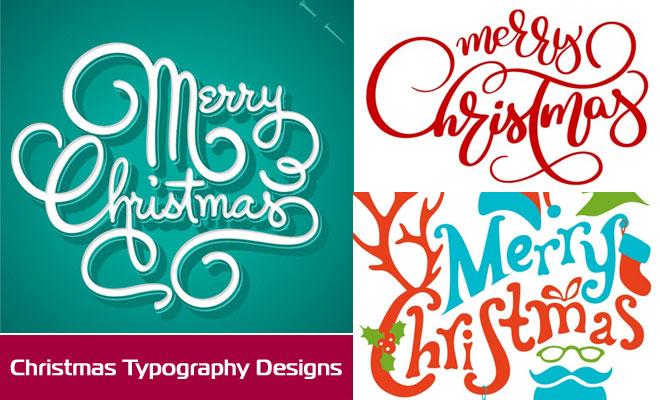
Cursive and Script Styles: These fonts evoke a sense of handwritten intimacy and personal warmth. They are often used for handwritten-style greetings and invitations, adding a touch of personalization.
-
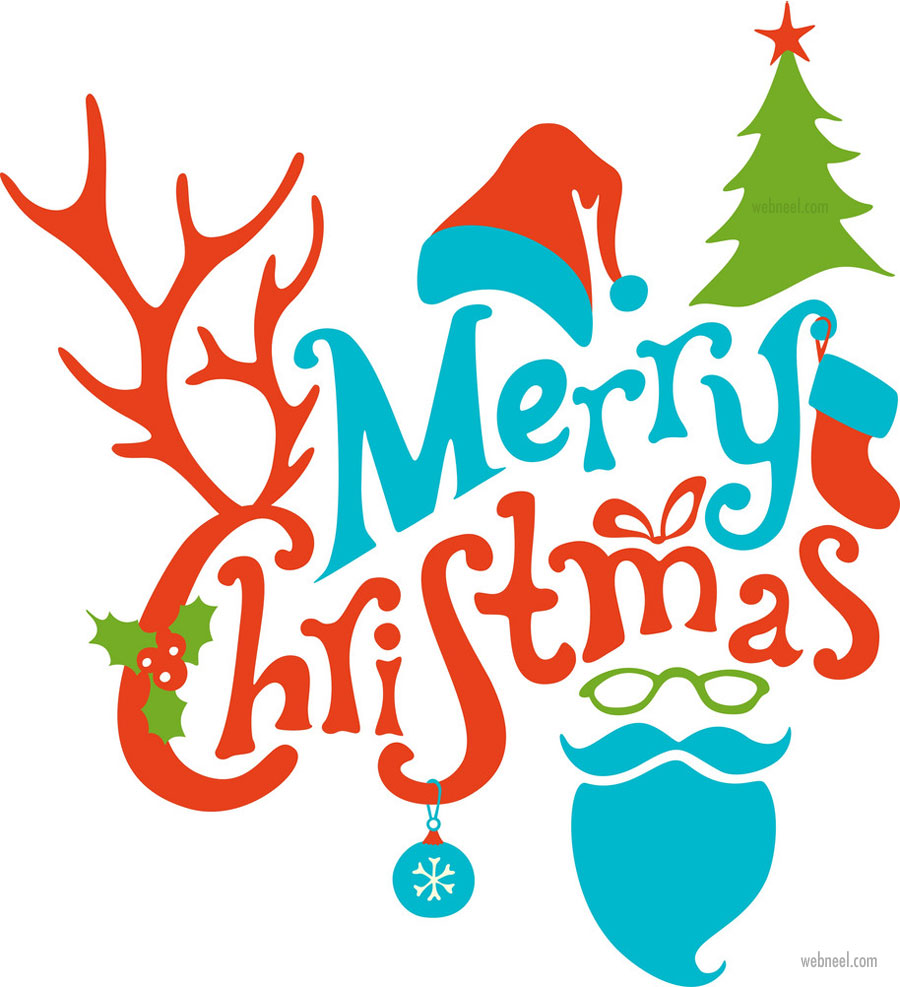
Decorative Elements: Many Christmas fonts incorporate decorative elements, such as snowflakes, stars, ornaments, and even images of Santa Claus or reindeer. These elements add a playful and whimsical touch to the overall design.
-
Color Schemes: While not strictly a characteristic of the font itself, color plays a crucial role in creating a festive atmosphere. Christmas fonts are often paired with traditional holiday colors like red, green, gold, and white, further enhancing their visual impact.
The Psychological and Emotional Impact of Christmas Fonts
The choice of font can significantly influence the emotional response to a Christmas greeting. Certain fonts evoke specific feelings and associations, making them particularly effective for conveying a desired message.
-
Serif Fonts: Serif fonts, especially those with traditional styles, can evoke feelings of nostalgia, warmth, and comfort. They are often associated with classic Christmas traditions and family gatherings.
-
Cursive and Script Fonts: These fonts can convey a sense of intimacy, personalization, and handwritten warmth. They are ideal for creating greetings that feel heartfelt and sincere.
-
Decorative Fonts: Fonts with decorative elements can evoke feelings of playfulness, joy, and excitement. They are often used for greetings that are meant to be lighthearted and fun.
Practical Applications of Christmas Fonts in Design
Christmas fonts find their place in a variety of design applications, enhancing the festive spirit of everything from greeting cards and invitations to social media posts and website banners.
-
Greeting Cards and Invitations: Christmas fonts are essential for creating visually appealing and festive greeting cards and invitations. They can be used for the main text, as well as for decorative elements like borders and ornaments.
-
Social Media Posts: Christmas fonts can add a touch of festive cheer to social media posts. They can be used for captions, hashtags, and even for creating custom graphics.
-
Website Banners: Christmas fonts can be used to create eye-catching website banners that announce holiday sales, promotions, or special events.
-
Packaging and Merchandise: Christmas fonts are often used on packaging for holiday gifts, as well as on merchandise like mugs, ornaments, and wrapping paper.
FAQs about Christmas Fonts
Q: What are some popular Christmas fonts?
A: Some popular Christmas fonts include:
- Santa’s Little Helper: A playful and festive font with a handwritten style.
- Christmas Cheer: A bold and decorative font with a classic Christmas feel.
- Jingle Bells: A whimsical and festive font with a playful touch.
- Holiday Script: A elegant and traditional script font with a classic look.
- Christmas Lights: A playful and festive font with a light and airy feel.
Q: Where can I find free Christmas fonts?
A: There are many websites that offer free Christmas fonts for download. Some popular sources include:
- Google Fonts: Offers a wide selection of free fonts, including some Christmas-themed options.
- DaFont: A large repository of free fonts, with a dedicated section for Christmas fonts.
- Font Squirrel: A reputable website that offers a curated selection of high-quality free fonts, including some Christmas options.
Q: How do I choose the right Christmas font for my design project?
A: The best way to choose a Christmas font is to consider the overall design aesthetic and the message you want to convey. Think about:
- The target audience: Who are you designing for? What kind of message do you want to communicate?
- The overall design: What is the tone and style of your design?
- The font’s readability: Will the font be easy to read at different sizes?
Tips for Using Christmas Fonts Effectively
- Use fonts in moderation: Avoid using too many different fonts in a single design.
- Pair fonts thoughtfully: Choose fonts that complement each other in style and weight.
- Consider the readability: Make sure the font is easy to read, especially at smaller sizes.
- Use color strategically: Choose colors that enhance the overall design and create a festive atmosphere.
- Experiment with different styles: Don’t be afraid to try different fonts and combinations until you find what works best for your design.
Conclusion
The use of Christmas fonts is an integral part of creating festive designs that capture the spirit of the holiday season. From traditional script fonts to playful decorative styles, there is a wide range of options available to suit every taste and design aesthetic. By understanding the history, stylistic characteristics, and emotional impact of these fonts, designers can create visually appealing and impactful greetings that spread holiday cheer and joy.
.jpg)

.jpg)
.jpg)

Closure
Thus, we hope this article has provided valuable insights into The Art of Festive Typography: Exploring the Visual Language of Christmas Greetings. We appreciate your attention to our article. See you in our next article!