A Deeper Dive into the Art of The Nightmare Before Christmas: From Sketches to Screen
Related Articles: A Deeper Dive into the Art of The Nightmare Before Christmas: From Sketches to Screen
Introduction
In this auspicious occasion, we are delighted to delve into the intriguing topic related to A Deeper Dive into the Art of The Nightmare Before Christmas: From Sketches to Screen. Let’s weave interesting information and offer fresh perspectives to the readers.
Table of Content
A Deeper Dive into the Art of The Nightmare Before Christmas: From Sketches to Screen

The enduring popularity of Tim Burton’s "The Nightmare Before Christmas" extends far beyond its captivating story and memorable soundtrack. It is also a testament to the power of its visual style, a style that was meticulously crafted through a unique blend of traditional animation techniques and Burton’s distinctive artistic vision. The drawing process, often overlooked amidst the film’s dazzling final product, played a crucial role in bringing this unique world to life.
The Birth of a Visual Language: Early Sketches and Character Development
The foundation of any animated film lies in its character design, and "The Nightmare Before Christmas" is no exception. From the initial concept sketches, Burton meticulously established the visual language that would define the film’s aesthetic. His iconic style, characterized by exaggerated features, sharp angles, and a blend of whimsy and darkness, was perfectly suited to the film’s narrative.
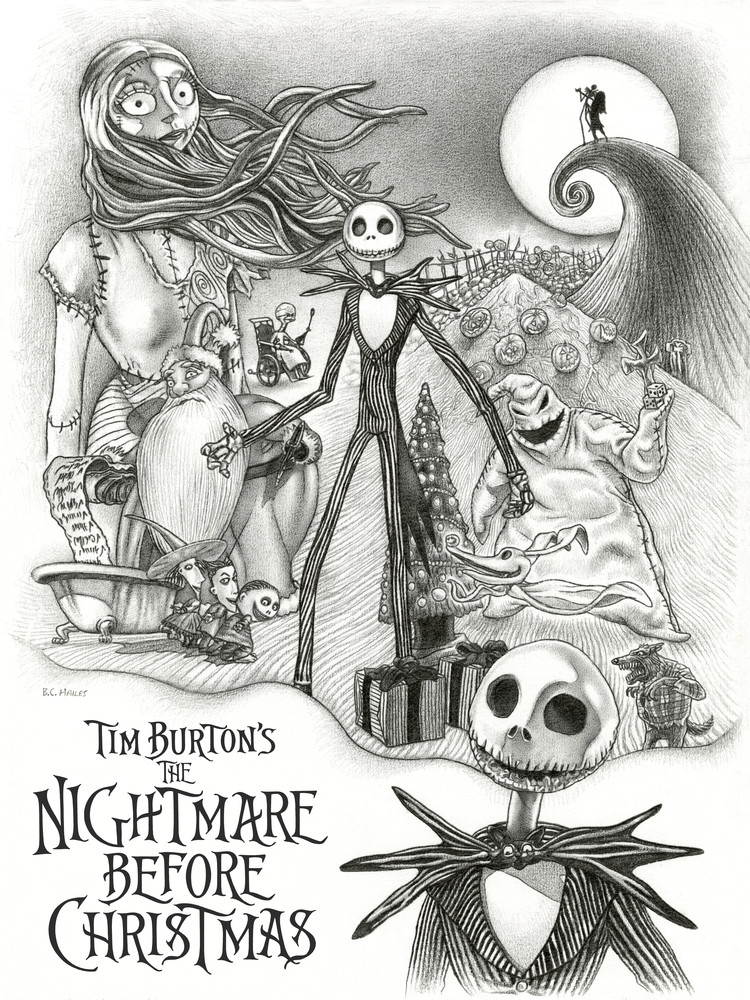
Early sketches of Jack Skellington, the Pumpkin King, reveal the evolution of his design. From initial rough outlines to more refined renderings, Burton experimented with various facial expressions and body proportions, ultimately settling on a figure that exuded both charisma and vulnerability. The same meticulous process was applied to every character, from Sally’s patchwork body to Oogie Boogie’s menacing form.
The Art of Storyboarding: Visualizing the Narrative
Once the characters were established, the next step involved translating the film’s narrative into a series of visual panels. This process, known as storyboarding, was crucial for visualizing the film’s pacing, camera angles, and overall flow. The storyboards for "The Nightmare Before Christmas" were created by storyboard artist, Rick Heinrichs, and served as a blueprint for the film’s animation. They captured the essence of each scene, providing a clear roadmap for the animators to follow.
Animation Techniques: Bringing the Sketches to Life
The animation process itself was a complex and labor-intensive undertaking. The film utilized traditional hand-drawn animation techniques, with artists meticulously drawing each frame of the film. The animators, led by Henry Selick, brought the characters to life through a combination of precise linework, expressive movement, and a unique sense of depth and texture.
The film’s visual style was further enhanced by the use of stop-motion animation, a technique where physical puppets are manipulated frame by frame to create the illusion of movement. This technique allowed for a greater sense of realism and physicality, particularly in scenes involving the film’s more grotesque characters.
The Importance of Color and Composition
Beyond the animation itself, the film’s color palette and composition played a crucial role in establishing its unique atmosphere. The film’s color scheme, ranging from vibrant hues to muted tones, was carefully chosen to reflect the emotional tone of each scene. The use of contrasting colors, such as the bright greens and oranges of Halloween Town juxtaposed with the icy blues and whites of Christmas Town, added further depth to the visual storytelling.
The film’s composition, characterized by dynamic camera angles and carefully crafted backgrounds, also contributed significantly to its visual appeal. The use of forced perspective, a technique that creates the illusion of depth, added a sense of grandeur to the film’s world.
The Legacy of "The Nightmare Before Christmas" Drawing
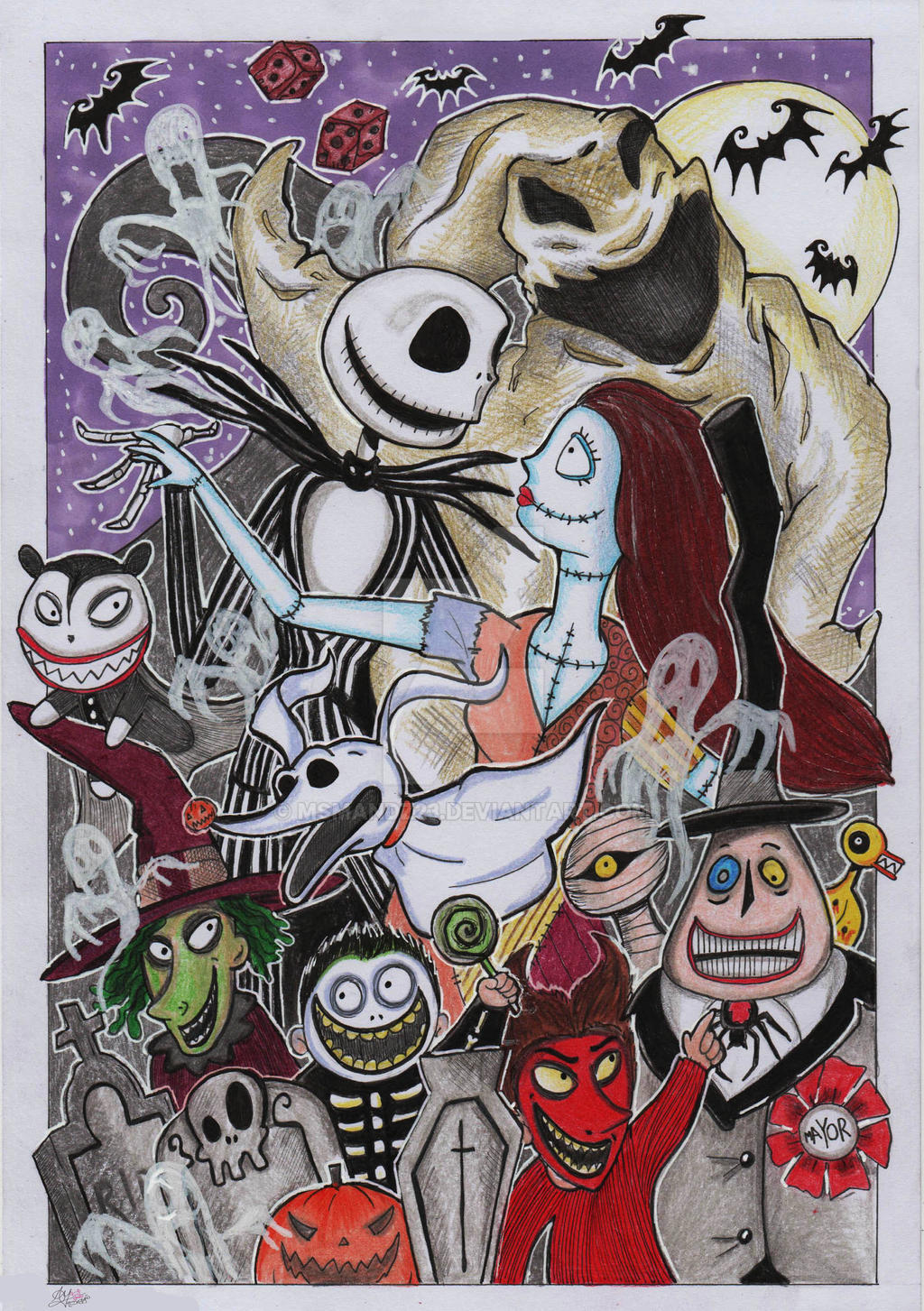
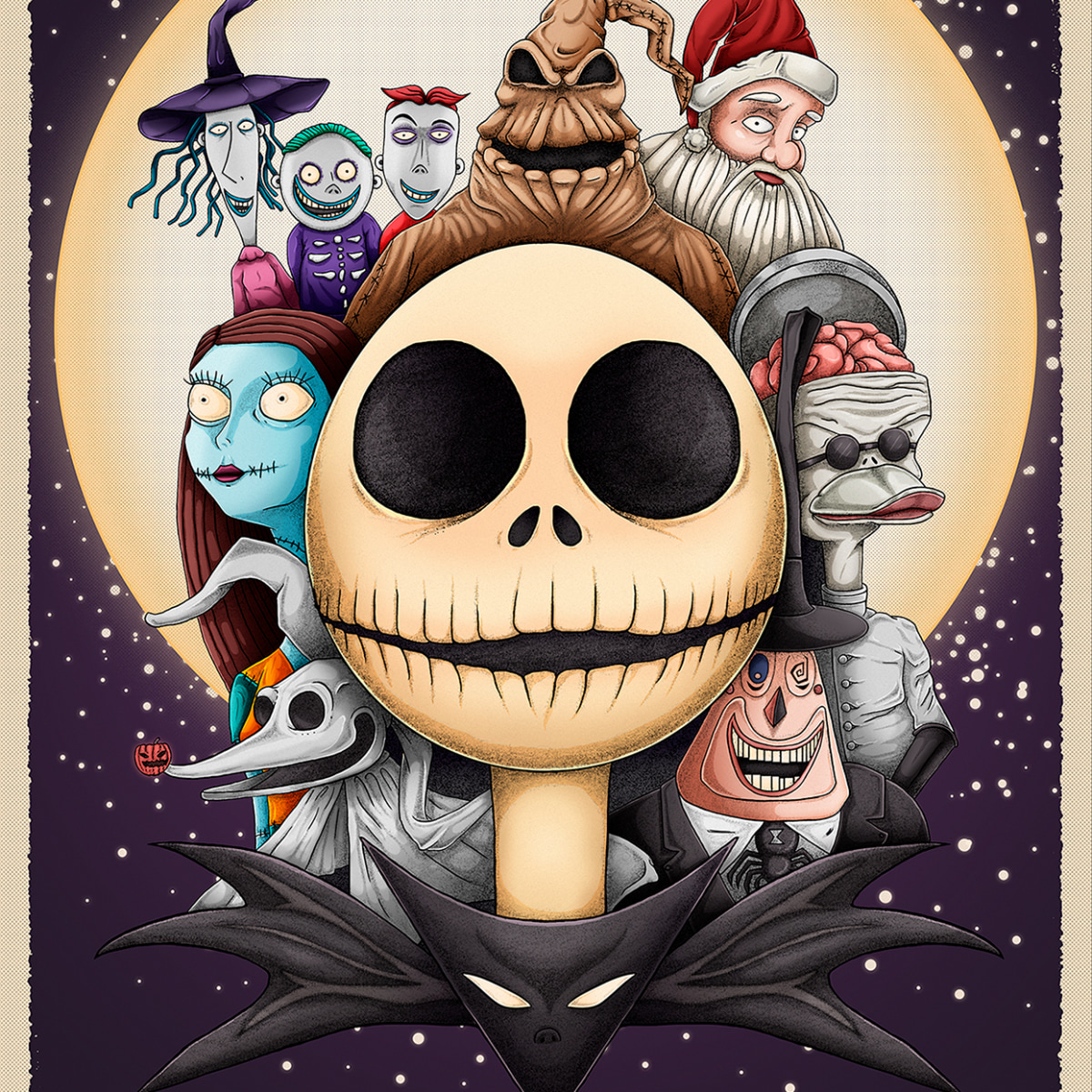
The drawings for "The Nightmare Before Christmas" have become iconic, inspiring generations of artists and fans. The film’s distinctive visual style has influenced numerous other works of art, from comic books and video games to fashion and music.
The film’s drawings serve as a testament to the power of visual storytelling. They demonstrate how carefully crafted visuals can evoke emotions, transport audiences to new worlds, and leave a lasting impact on popular culture.
FAQs: Delving Deeper into the Drawing Process
Q: What software was used for the drawings in "The Nightmare Before Christmas"?
A: "The Nightmare Before Christmas" was animated using traditional hand-drawn techniques, so no digital software was used. The artists drew directly onto cels, which are transparent sheets of acetate.
Q: Were there any specific drawing tools used for the film?
A: The animators used a variety of traditional drawing tools, including pencils, pens, and markers. They also utilized specialized tools for creating specific effects, such as airbrushes for creating smooth gradients.
Q: What was the role of digital technology in the drawing process?
A: While the animation itself was done traditionally, digital technology played a role in post-production. The cels were scanned and digitally colored, and the film was edited and assembled using digital tools.
Q: How did the film’s drawing style influence other artists?
A: The film’s distinctive visual style has inspired countless artists across various mediums. Its influence can be seen in the works of contemporary artists, graphic designers, and illustrators, who have adopted Burton’s signature style for their own creative projects.
Q: Is there a guide for aspiring artists interested in learning the "Nightmare Before Christmas" style?
A: While there is no official guide, aspiring artists can learn from studying the film’s artwork and by practicing the techniques used in traditional animation. There are also numerous online resources and tutorials that can offer guidance on drawing in a similar style.
Tips for Aspiring Artists: Drawing Inspiration from "The Nightmare Before Christmas"
1. Embrace Exaggeration: One of the hallmarks of Burton’s style is its use of exaggerated features and proportions. Don’t be afraid to experiment with different shapes and sizes to create unique and memorable characters.
2. Master Linework: The film’s animation is characterized by precise linework that defines the characters and backgrounds. Practice your linework to achieve a clean and confident aesthetic.
3. Explore Different Textures: The film’s visual style incorporates a variety of textures, from the rough fabric of Sally’s dress to the smooth surfaces of the Christmas ornaments. Experiment with different drawing techniques to create depth and realism in your artwork.
4. Play with Color: The film’s color palette is both vibrant and moody. Don’t be afraid to experiment with different color combinations to create a unique and captivating atmosphere.
5. Study the Film’s Composition: Pay attention to the film’s camera angles, framing, and use of forced perspective. These techniques can help you create dynamic and engaging compositions in your own artwork.
Conclusion: The Enduring Appeal of "The Nightmare Before Christmas" Drawing
The drawings for "The Nightmare Before Christmas" are more than just visual representations of the film’s characters and story. They are a testament to the power of artistic vision, meticulous craftsmanship, and the enduring appeal of traditional animation techniques. The film’s drawings continue to inspire and captivate audiences, demonstrating the timeless power of visual storytelling and the lasting legacy of a unique artistic vision.





Closure
Thus, we hope this article has provided valuable insights into A Deeper Dive into the Art of The Nightmare Before Christmas: From Sketches to Screen. We hope you find this article informative and beneficial. See you in our next article!